
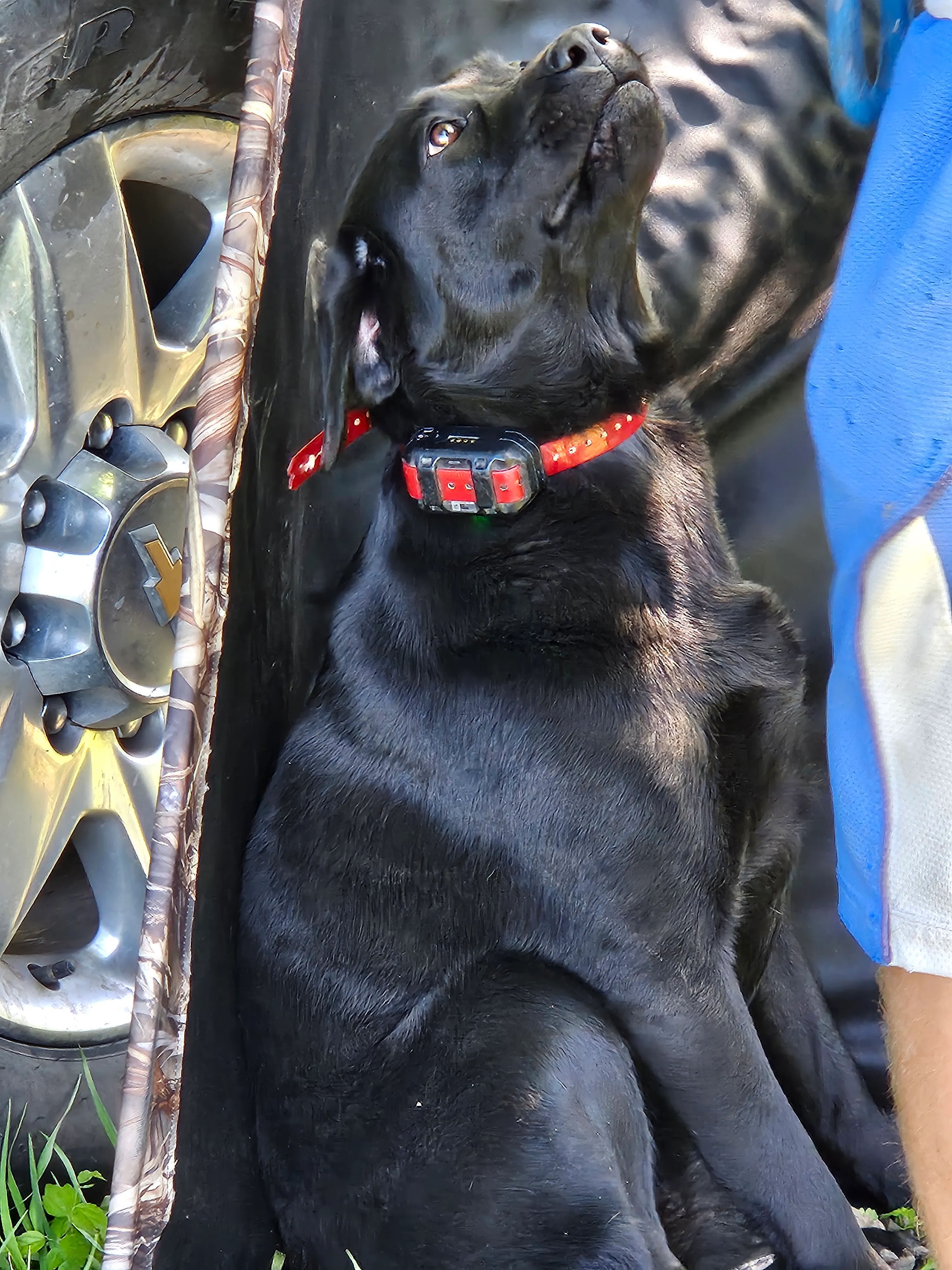
In the training world—especially among amateurs and weekend warriors—there’s a tendency to chase the “big sexy.” The advanced drills. The showy retrieves. The long water blinds. Everyone wants to skip to the highlight reel. But if you’re serious about getting your dog to the next level, here’s the truth: progress isn’t found in the flashy stuff. It’s built in the basics.
The Amateur Advantage
Let’s get this out of the way—being an amateur is not a disadvantage. In fact, it’s often the opposite. Pros juggle multiple dogs and tight schedules. You? You’ve got the time. You can train in your backyard, the local park, a field nearby. You’ve got the opportunity to be hands-on, consistent, and deeply connected to your dog’s progress. That’s a massive edge, if you use it wisely.
Most Dogs Aren’t Blowing Up—They’re Just Confused
You hear handlers say it all the time: “He just blew up today.” No, he didn’t. He’s been confused for a while—you just didn’t notice until it hit a breaking point. Dogs don’t randomly start ignoring commands. They either don’t understand, or they’ve never been taught to care. And throwing band-aids on bad behavior doesn’t fix the problem. Real progress starts with teaching.
The Three Roles of a Trainer
To truly teach your dog, you need to fill three roles:
- Teaching the command – What the word or signal means.
- Teaching how to turn pressure off – Clarity on how to get relief when corrections are used.
- Teaching how to avoid pressure altogether – The magic step. You’re now patterning behavior so the dog chooses the right thing before being told or corrected.
That’s where reliability comes from. Not from force, but from clear, consistent consequences tied to action—and a mutual understanding of what’s expected.
Pressure vs. Permission
Most people assume training is all about pressure and correction. But really, it’s about permission. A well-trained dog isn’t scared of making a mistake. It’s looking to you for direction. It’s reading your cues. It knows the boundaries—like waiting calmly to exit a kennel, trailer, or doorway. It holds eye contact, waits for the release, and moves on your terms. That’s leadership, not domination.
What to Do When Things Go Sideways
Let’s say you’ve got a big water blind set up. The dog nails the holding blind, makes solid eye contact, and then… refuses to go. That’s not a field problem. That’s a go problem. And until your dog learns to go on command—no hesitation—you’re wasting time on advanced setups. Your priority shifts to solving the go. Command. Correct. Reward when it works. Then reset and let the dog process. That one lesson, that one pattern, is what unlocks all the other stuff.
Eye Contact Before Action
Want to see real progress? Start here: make eye contact before any command or movement. It’s the simplest and most overlooked habit. Before exiting the house, getting into the trailer, sending on a retrieve—stop. Ask for eye contact. Calm. Focused. Ready. That one habit builds the foundation for every other behavior. It’s about establishing control, attention, and mutual respect.
Final Thought: Meet Them Where They Are
You may be eager to tackle the complex drills and pass high-level tests. But your dog might still be figuring out how to sit at the trailer door and look you in the eye. Don’t skip steps. Meet your dog where they are. Nail the basics so solidly that the advanced stuff becomes inevitable. That’s how real progress is made.
Starting today, don’t let your dog move without giving you eye contact first. That’s the baseline. That’s the beginning of real progress.
Want help designing a daily training structure that builds on this? Let me know